Product documentation
VK Private Cloud
An enterprise private cloud platform based on OpenStack with a lot of custom components. Dozens of components, huge deployments and very complicated procedures.
My roleDocumentation Lead, VK (formerly Mail.Ru Group)
Product summary
VK Private Cloud provides cloud services on infrastructure in a customer’s own data centre (on premises). Its documentation has to serve several audiences: administrators operating the platform, teams integrating its services, and specialists checking that it meets requirements.
The samples here come from the August 2022 user guide, administrator guide, technical specification and test programme and methodology. They cover architecture, deployment, administration, product requirements and the checks used during formal acceptance tests. The current documentation linked above is a newer set that has evolved since my work on the product.
My involvement
I joined Mail.Ru Group, later renamed VK, in 2019 as a Senior Technical Writer on the Tarantool team. In 2020, I became Team Leader for the Private Cloud documentation team, recruiting and training colleagues, planning and coordinating documentation work across the product, as well as developing standards and automation.
In 2022, my responsibilities expanded to a second documentation team, covering both Private Cloud and Public Cloud products. This entry focuses on the Private Cloud material from that period.
Main challenges
When I first joined the Private Cloud documentation team, the documentation was a mess:
- Stored on a Confluence page as DOCX and PDF files
- Produced in the Microsoft Office suite
- Versioned through filenames
- Updated manually
- No support for concurrent changes
What I did in my first couple of weeks: I migrated all the existing content to a docs-as-code solution based on GitLab and AsciiDoc. That ensured consistent styling, transparent versioning and concurrent collaboration.
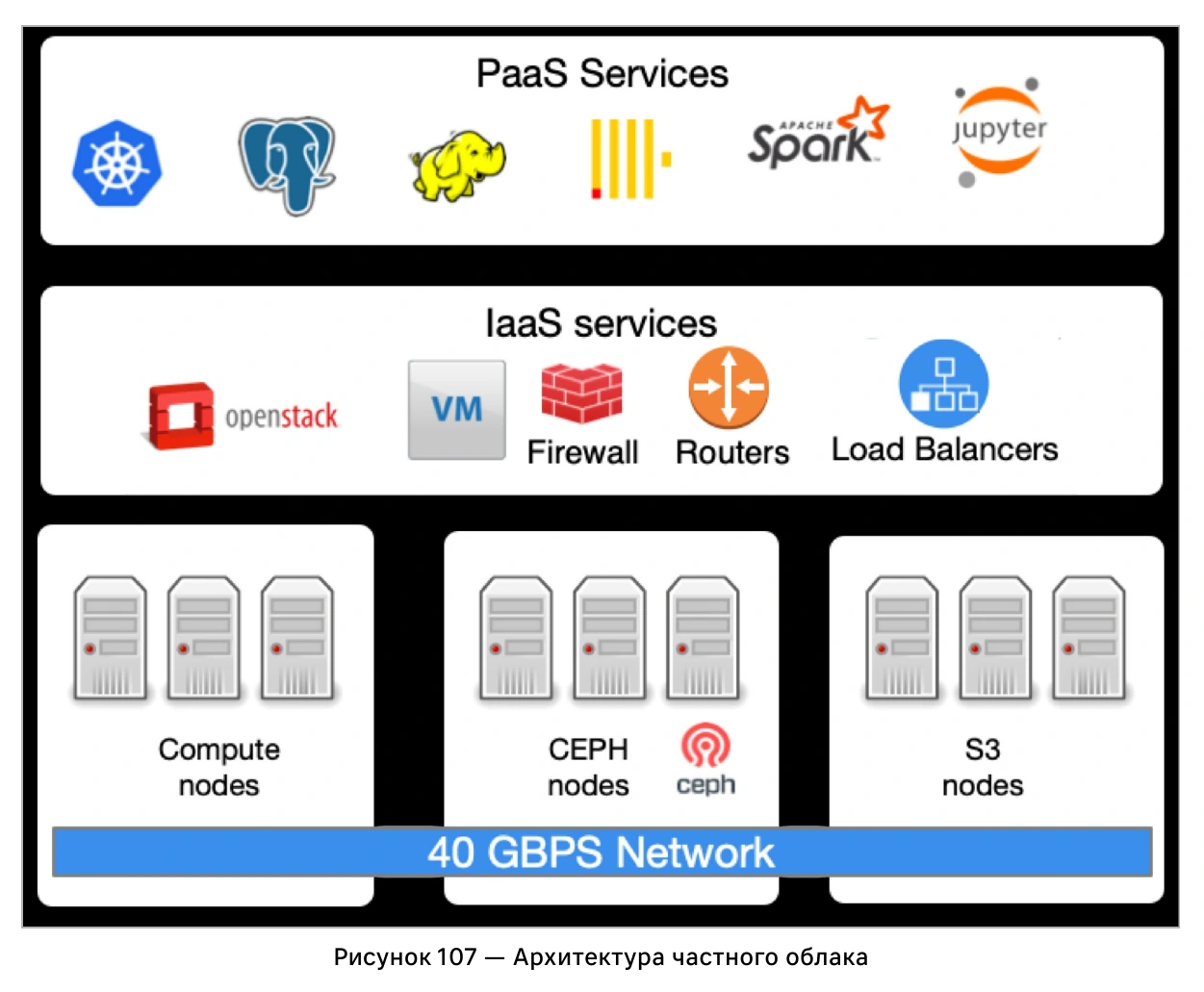
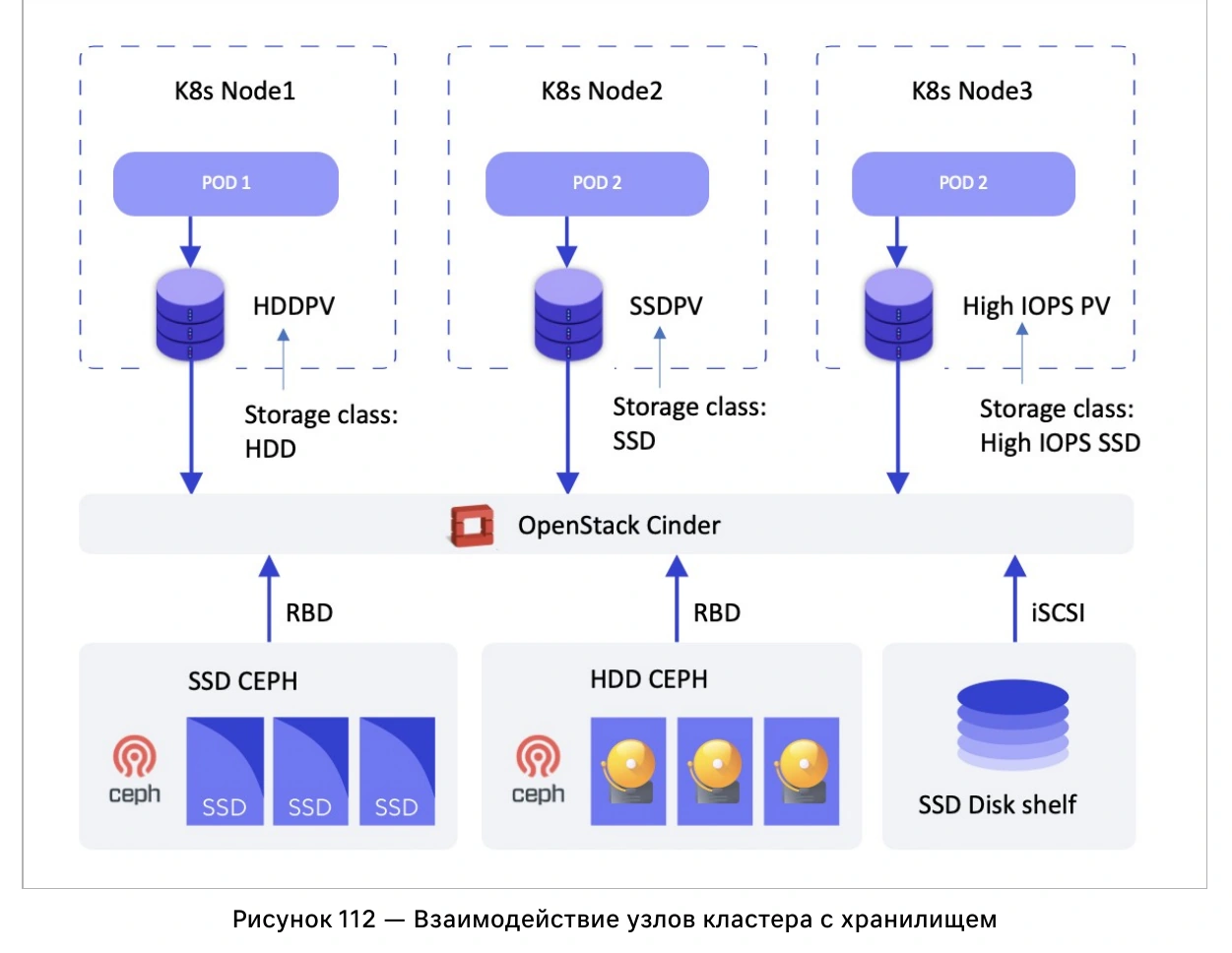
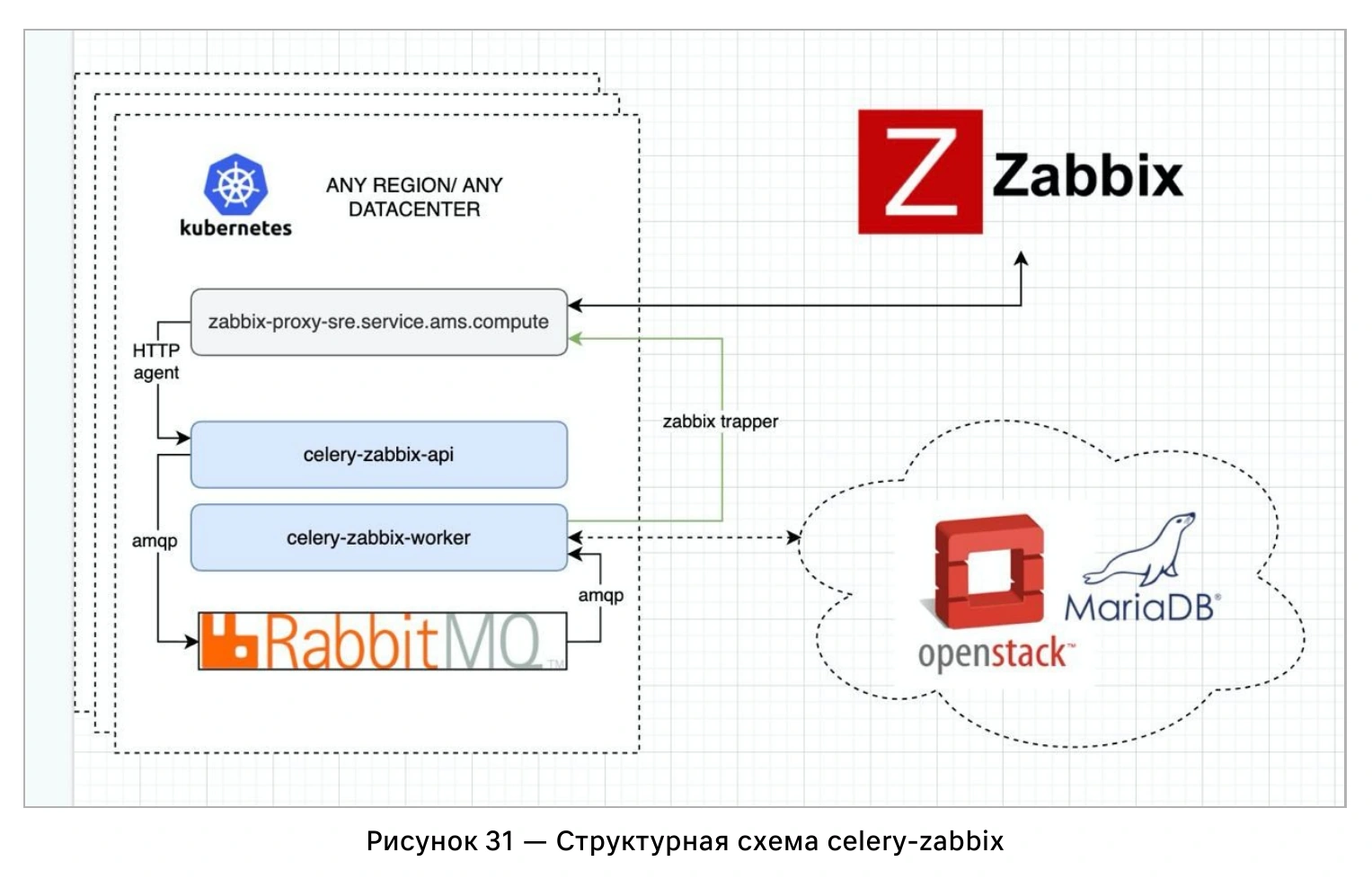
The documentation had to support initial deployment, everyday administration and formal verification of a complex platform. The administrator guide combines architectural explanations with procedures for access management, compute, storage, networking, managed services and platform administration, alongside OpenStack command reference material and Terraform examples.
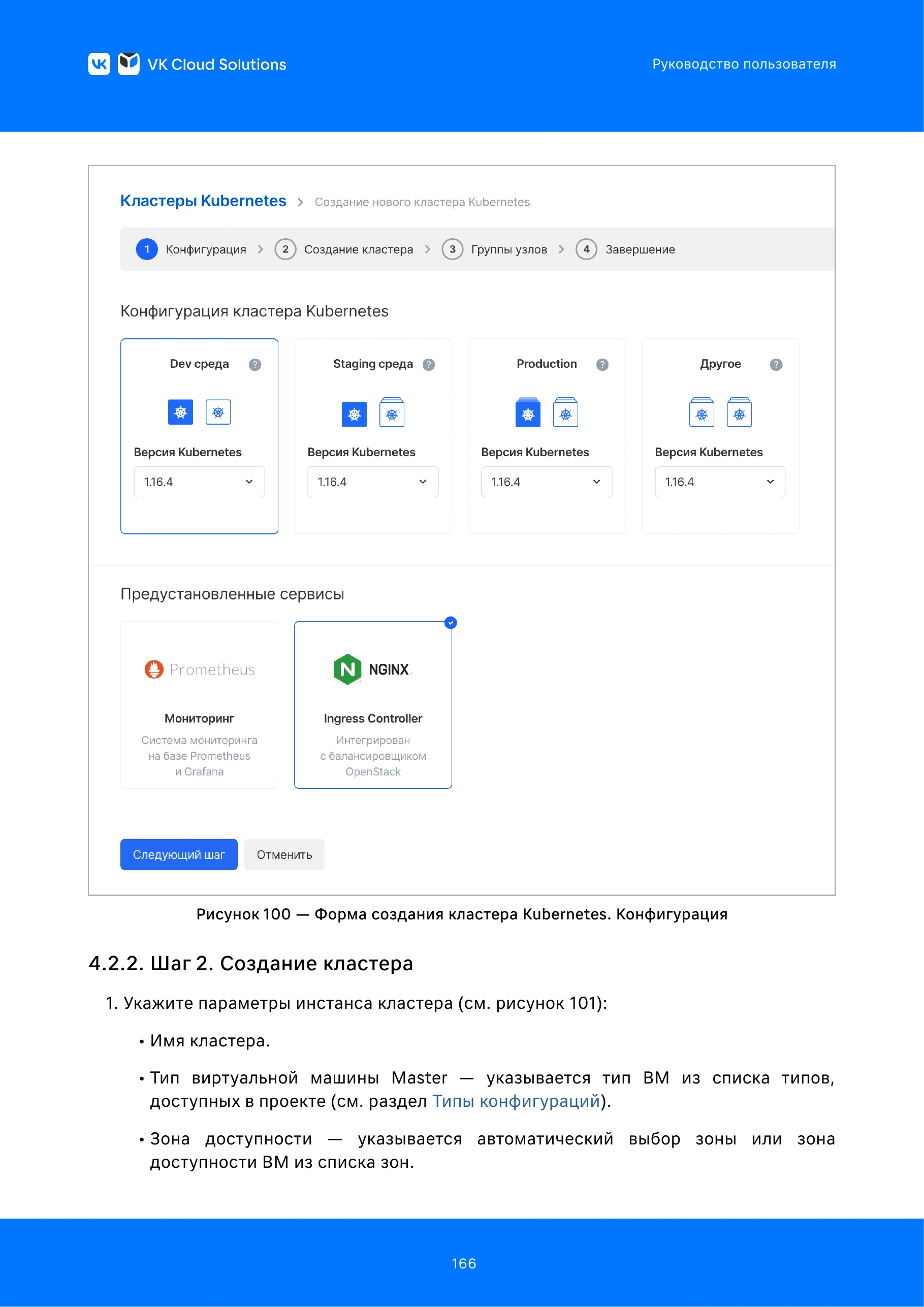
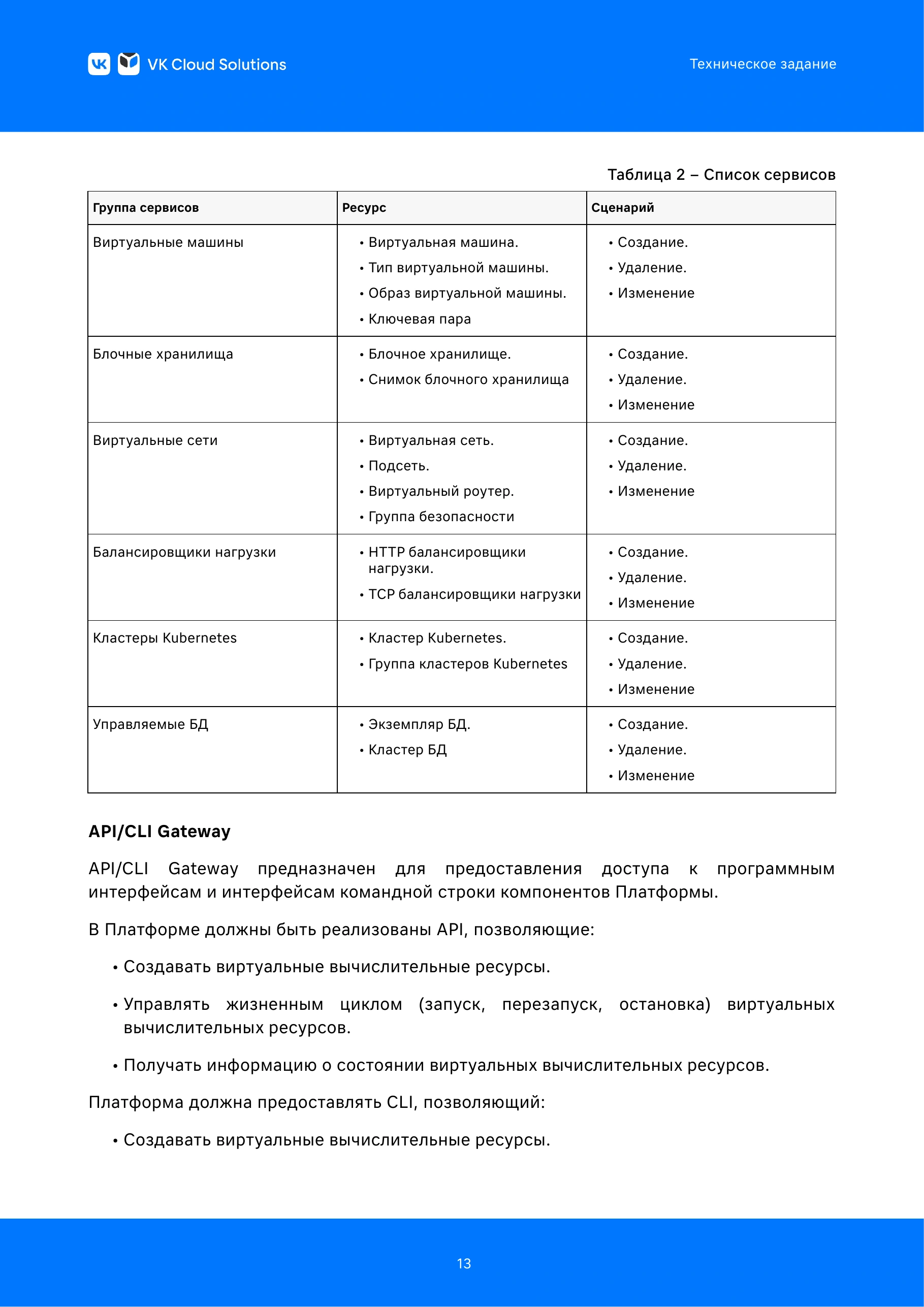
The examples below are from older PDFs built by my Asciidoctor-based builder at the time. The documentation included an administrator guide, a user guide, and a test programme and methodology. Together, the samples below show the range of material the documentation team supported.
Examples
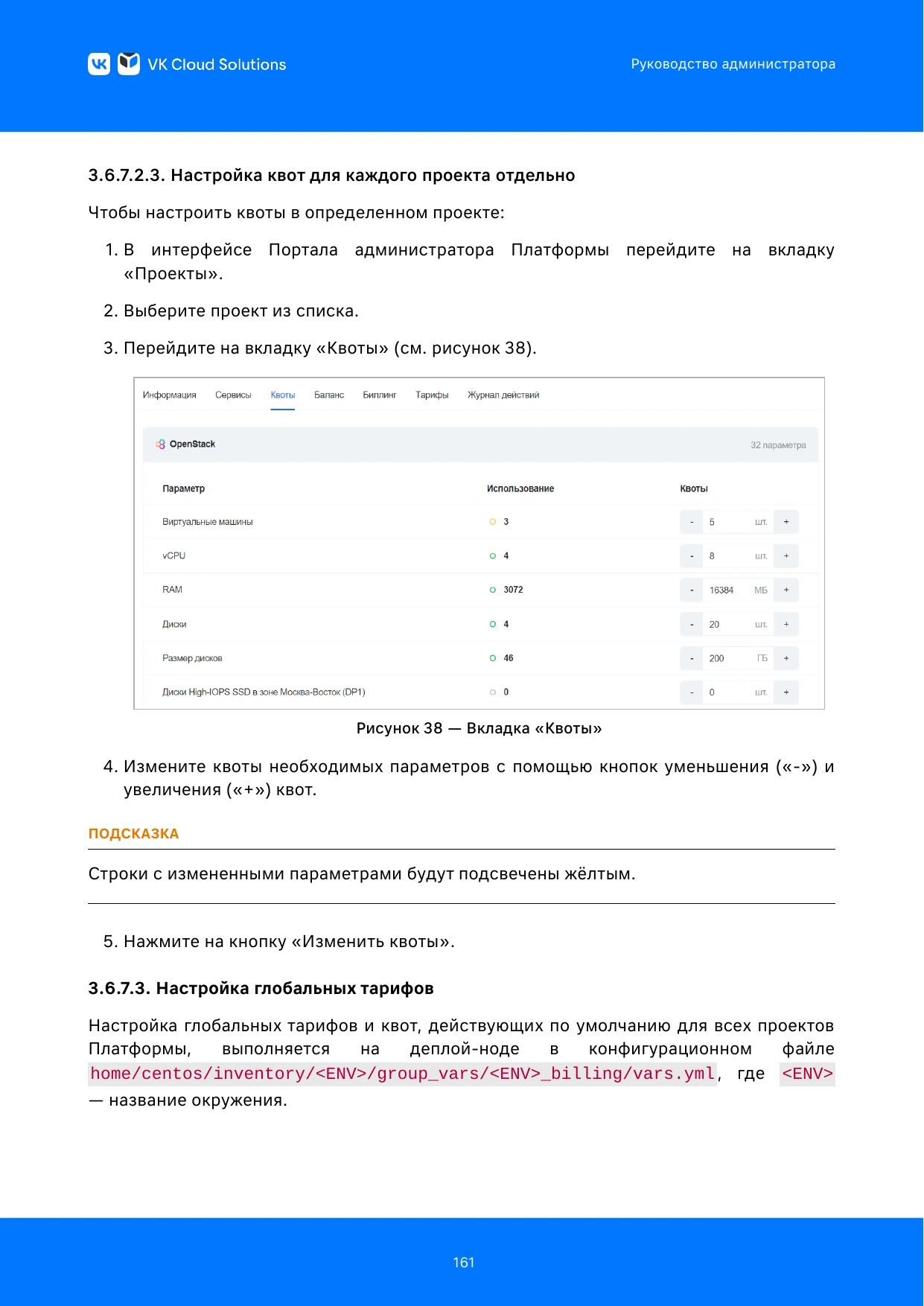
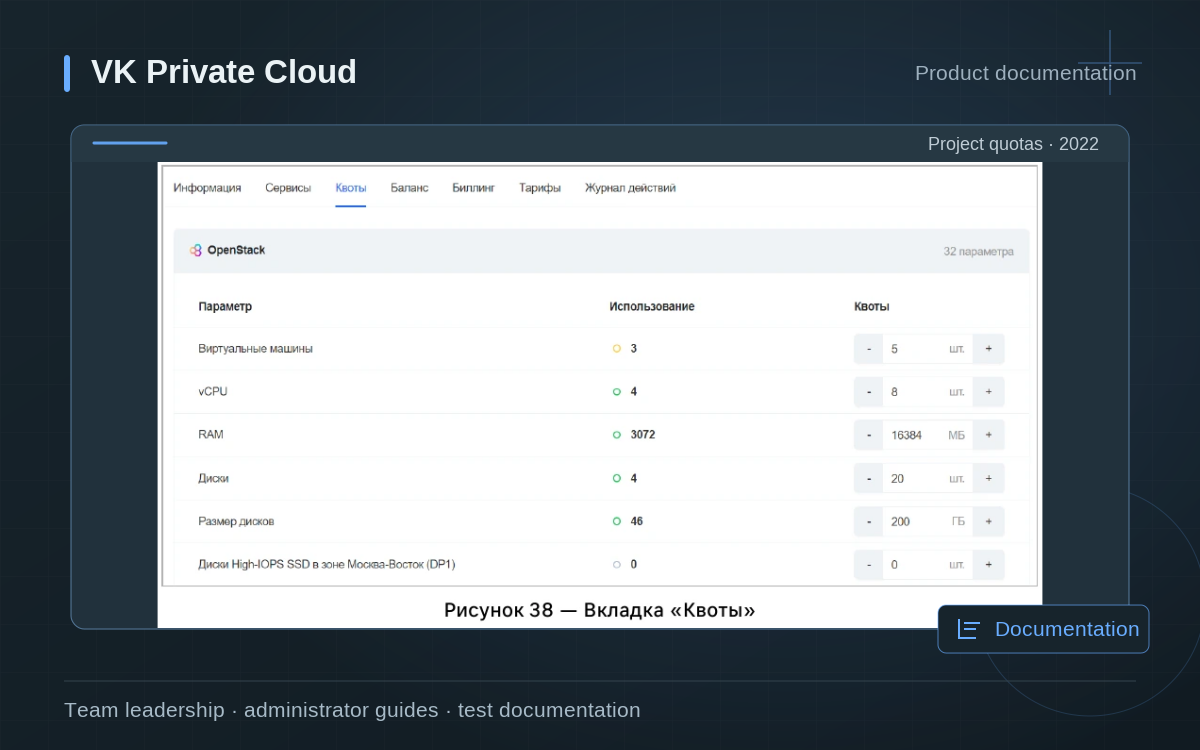
Configure project resource quotas
Read the illustrated procedure from the August 2022 administrator guide, p.161.
Read the guide sample Test documentationConnect a requirement to a test
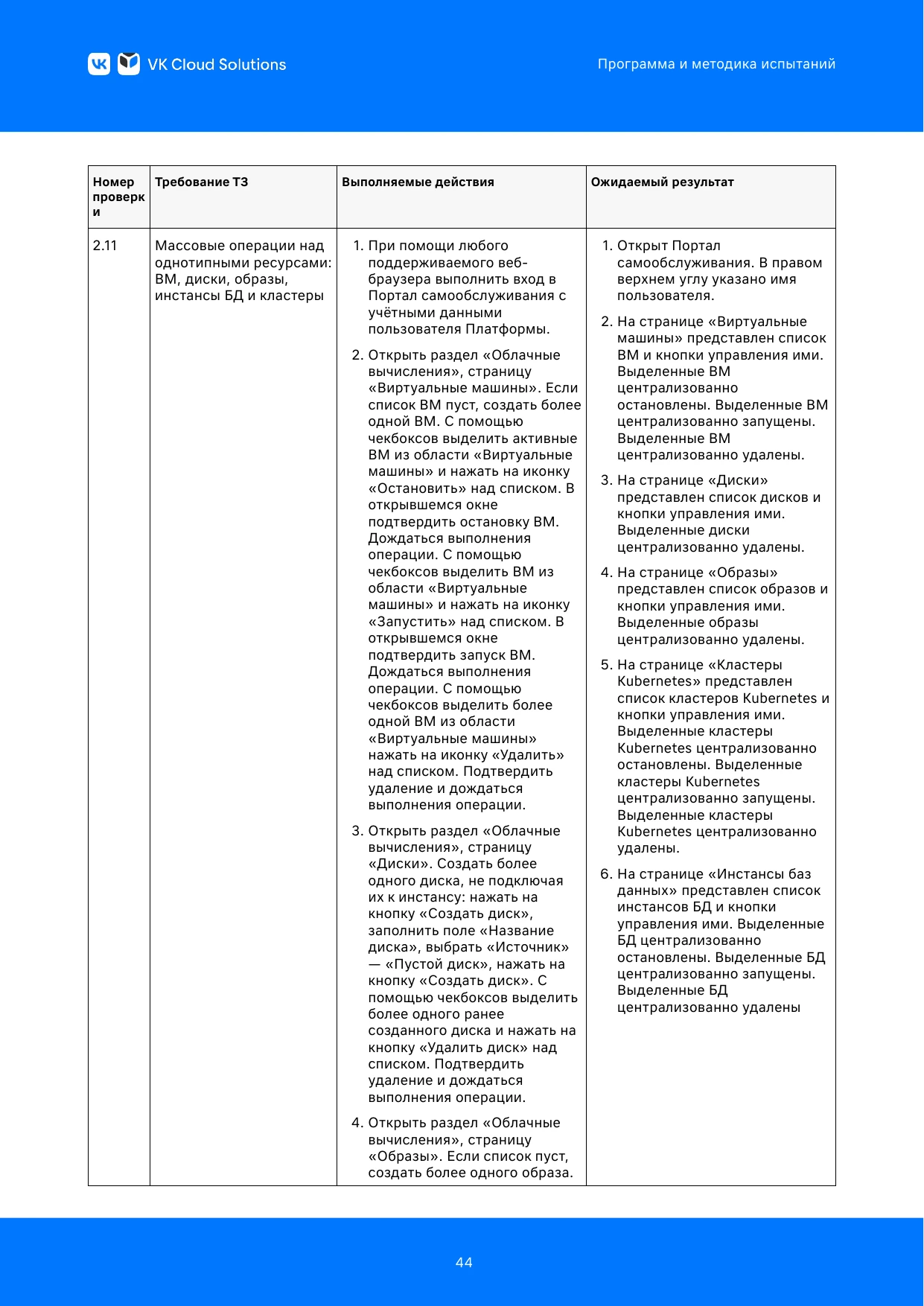
Inspect the actions and expected results in the August 2022 test methodology, p.44.
Inspect the test caseGallery